
If you want to make poker turbo tournament strategy work at a regulated site you need the right backdrop, not just a fast clock. We’ve seen it across two exits and a Serbian comparison build: speed alone doesn’t separate winners from noise, and a weak licence or patchy support will chew you up before the final table. That’s the lens we’re using here, with Western Sydney locals in mind and no offshore licensing promises anywhere in this piece.
What turbo structure actually asks of you
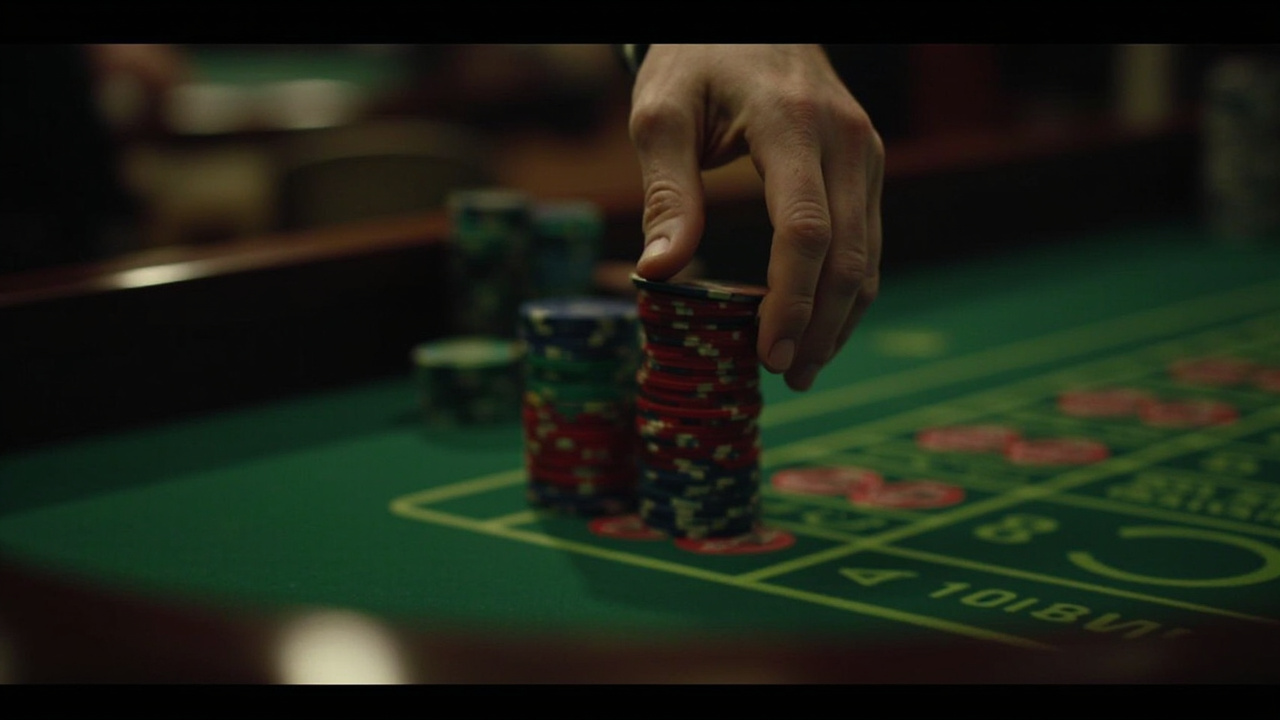
Turbo events compress blind levels into short stints, so your whole plan has to shift toward survival, heat selection, and clear exit rules rather than deep postflop mastery. The focus here is on building a repeatable approach that fits a compressed schedule, because the same hands that look routine in a nine-hour event become swingy in a forty-minute one. In our regulated Serbian comparison work we found that players who treat turbo as a separate discipline, with its own bankroll line and stop-loss habits, tend to hold up far better than those who just import a slow-event playbook. Callum Anderson, Lead Gaming Analyst, Yarra Gaming Lab, puts it plainly: “Turbo is less about perfect ranges and more about keeping your stack alive long enough to find a real edge.” That mindset matters when you’re logging in on a phone between shifts in Parramatta or Penrith and the clock is already moving.
Building a turbo plan that survives the clock
Stack management and heat selection
The first habit is treating stack size as your real currency, not the prize pool on the header. In a turbo field you’ll face constant pressure, so the practical move is to play tighter early, keep your hands playable in position, and fold back when the blinds start chasing you into marginal spots. We’ve run comparison tests across regulated markets where the sites with clearer account controls and visible session timers gave players a better shot at sticking to that discipline, and that’s the kind of environment worth prioritising. You want a platform that shows your balance, your blind level, and your time remaining without making you dig through menus, because a muddled interface will cost you more chips than a bad call.
Reading the field and adjusting mid-event
The second piece is reading how the table speeds up as the field thins. Early on, many players overplay their hands because they think they have time, then they spook when the antes kick in and the blinds climb. Your job is to notice who’s folding to continuation bets, who’s shoving light, and where the table is polarised, then adjust your own line instead of forcing a static range into a moving room. A regulated operator with proper security and privacy handling matters here too, because you’re making quick judgements and you don’t want your data or your session interrupted by sloppy account checks or weak support when you actually need help. If you’re comparing options, it’s worth checking how a site handles registration, verification, and responsible-play tools before you commit any serious time to the felt.
Matching the format to how you actually play
This is where poker turbo tournament strategy stops being a theoretical exercise and starts fitting your real week. Some players in Western Sydney treat it as a quick arvo session between work and family, others use it as a sharper, shorter alternative to grinding multi-hour events they can’t realistically fit in. The practical test is whether the format matches your attention span, your bankroll limits, and the sort of support you’d want if something goes sideways with a withdrawal or a login issue. We’ve judged regulated products on exactly that basis: not on hype, but on whether the operator gives you clear account controls, sensible responsible-play tools, and a support path that doesn’t leave you chasing an answer when you’ve already lost half a session to the blinds. That’s the difference between a format you can return to and one that just burns through your bankroll. CRUKS Kaydı Ve Online Casino Hesabı

Turbo events reward discipline more than flair, so the real edge is a clean plan, a regulated backdrop with proper licensing and support, and the patience to walk away when the format stops suiting you. Treat it as a separate skill, keep your session limits visible, and you’ll give yourself a better shot than most players who just chase the fast clock for its own sake. https://mobiltoyotatangerang.com