
Sound Shapes The Spin On Modern Pokies With Immersive Sound Design
This auditory approach ensures that every spin resonates with the player, turning simple interactions into captivating experiences. For those seeking to explore these sonic landscapes on the go, the vegas hero mobile platform offers a seamless interface where high-quality audio meets intuitive play. Discover more about how these elements converge by visiting vegas hero mobile.
For Australians chasing atmosphere, audio cues are doing more heavy lifting than ever before. Modern development teams are treating soundscapes like gameplay systems, layering dynamic audio that reacts to volatility, bonus triggers, and reel states. This isn’t just decoration; it changes how players read a session and manage their bankroll in real time. Raymond Choi, whose director-level background spans game producing, slots, ETGs, and loyalty, argues that audio now functions as a secondary UI, giving players subtle feedback on hit frequency without flashing extra numbers on screen.
When developers commit to immersive audio, they usually pair it with a tighter lobby and a clearer game mix. The best implementations let you hear the difference between a low-variance base game and a bonus-heavy title before you commit a single credit. That kind of design work matters because it shapes discovery, session pacing, and how long a player stays engaged before fatigue sets in.
How Audio Shapes The Lobby And Game Mix
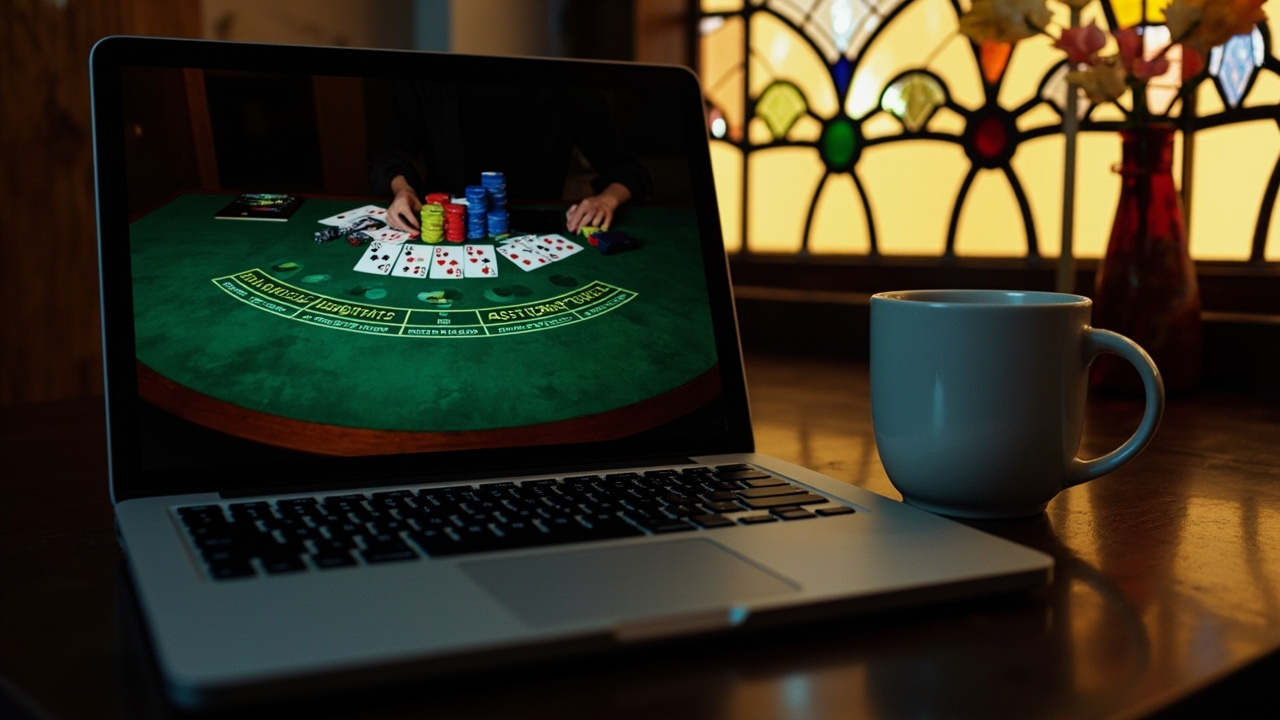
A well-organised lobby does more than list icons and RTP figures. When sound design is baked into the catalogue, players can filter by mood and pacing rather than scrolling blindly through a wall of thumbnails. Providers are starting to tag titles with audio profiles, so high-energy tracks sit alongside calmer, atmospheric loops, giving the lobby a rhythm that matches the games underneath. Search tools are getting smarter too, with keyword and tag matching that surfaces slots by pacing, theme, and audio style rather than just provider names. Bingo Real Money Casino Play For
That organisation matters for discovery because a cluttered lobby breaks the spell before the first spin. Raymond Choi’s producing background often comes back to this point: if the audio identity of each title is distinct, the lobby itself becomes a curation layer, not just a filing cabinet. Players who want busier, percussive sessions can move straight to high-tempo slots, while those after slower builds can settle into titles with longer ambient beds and softer trigger cues. The trade-off is that this level of polish takes production time, so smaller catalogues sometimes skip the depth and rely on generic loops that blur together after a few sessions.
Deep Dive Into Sound Design, Providers, And Session Limits
Dynamic Layers And Reel Feedback
The strongest implementations treat audio as a live layer rather than a static track. Base-game reels might run a steady bed of percussion and texture, then shift harmonics when near-misses cluster or when a bonus symbol lands. That kind of reactive design gives players a sense of momentum without promising anything it cannot deliver. From a producing standpoint, the trick is keeping those layers audible over the noise of a busy screen and a crowded lobby, so the cues stay legible on a phone speaker as well as desktop headphones. When the mix is balanced, players can read reel states and bonus proximity more naturally, which supports better pacing decisions across a session.
Provider Mix And Lobby Organisation
A credible range of providers keeps the audio identity varied instead of repetitive. Some studios lean into cinematic scoring and long build-ups, while others favour tight, rhythmic loops that suit faster spins and shorter attention spans. A lobby that groups these styles clearly helps players match a title to the kind of session they want, rather than forcing them to trial-and-error through dozens of demos. Search and tag filters make that easier, but only when the tagging is honest about pacing and volatility rather than just slapping a theme label on every game. The practical limit here is catalogue depth: a site with a narrow provider mix can still sound polished, but variety suffers, and players who chase different audio moods will outgrow it faster.

Bonus Mechanics, Limits, And Session Fit
Sound design also intersects with how bonuses and features are communicated. A well-timed audio cue on a trigger can make a feature feel earned, but it should never mask the underlying maths or imply a pattern where none exists. Raymond Choi’s consulting work on slots and loyalty often flags this as a judgement call: audio can enhance feedback, but it should never be used to obscure hit frequency or volatility. That same discipline applies to limits and responsible play tools. Clear session timers, deposit controls, and reality checks work better when they are presented plainly, not buried under dramatic audio swells. Players who understand the mechanics and the limits upfront tend to stay longer and leave on their own terms, which is the real win for a well-built product.
“Audio cues can improve session clarity, but if they start suggesting patterns that the maths does not support, you have crossed from feedback into suggestion,” said Blake Lee, Product Analytics Lead, Banksia Betting Partners.
“We watch for any design choice that nudges players past their own limits, because integrity is about keeping the experience readable, not just entertaining,” said Benjamin Young, Risk and Integrity Manager, Australian Gaming Futures.
Player Fit And What This Means For Australians
This kind of design suits players who care about pacing, atmosphere, and a lobby that respects their time. If you want a session that feels curated rather than random, immersive audio paired with a tidy catalogue is a genuine advantage. If you prefer a bare-bones catalogue and do not notice audio nuance, the extra production cost may not matter much to you. The practical fit comes down to whether the lobby organisation, provider variety, and clear limits match how you actually play, not just how the site sounds in a trailer.
What this means for Australians is straightforward. Darwin players and anyone playing up north should expect the same clarity on limits and account controls as anywhere else, with no implication that offshore play is licensed or regulated here. Local sessions still need to respect geo-blocks, verification, and responsible play tools, so the appeal of immersive audio is in the experience, not in any promise of easier access. If a site makes its game mix, providers, and limits easy to read, the sound design becomes a bonus rather than the whole pitch.
For Australians weighing a platform, the smart move is to treat audio as one signal among several. A polished soundscape on pokies with immersive sound design is worth noticing, but it should sit alongside a clear lobby, honest tagging, and limits you can actually use. When those pieces line up, the experience feels deliberate; when they do not, the best audio in the room will not rescue a thin catalogue or a cluttered interface.