
Stepping into a bet on crypto casino for the first time feels less like gambling and more like onboarding to a new payments rail. The screens move fast, the wallets talk in satoshis or stablecoins, and the familiar friction of card declines largely disappears. Still, the core checklist stays grounded: proof of age, a clean wallet address, and a clear read on bonus terms before any real money touches the felt. I have watched senior commercial teams in global gaming treat onboarding as the make-or-break moment, because a leaky signup flow bleeds players before they ever see a live table.
Registration, verification, and the first deposit
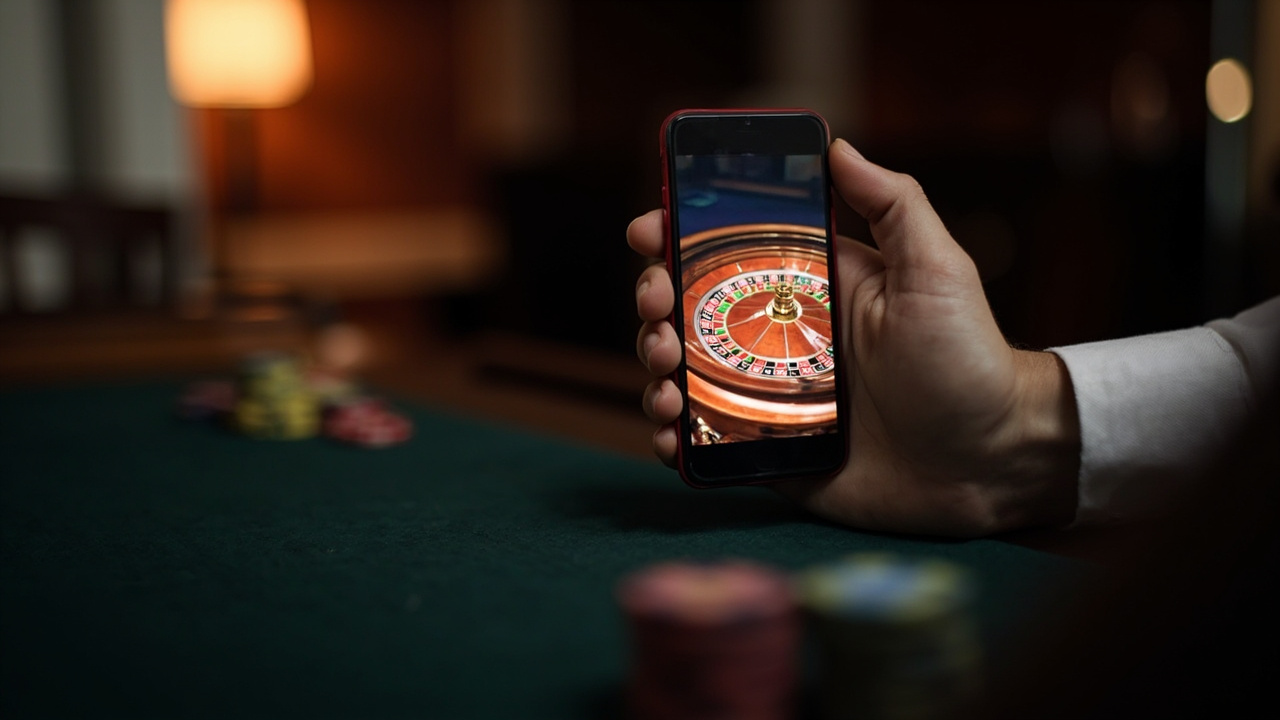
The signup form usually asks for name, date of birth, email, and a password, then routes you straight into identity checks before any balance can be loaded. Australian players need to be 18 or older, and the platform will typically request a driver licence or passport plus a recent utility bill to confirm address and location. I have seen the same verification philosophy run across sports and media markets, where a delayed KYC step turns a keen user into a bounce-rate statistic before the first click. Once the documents clear, the wallet screen opens and you can fund the account with Bitcoin, Ethereum, or a stablecoin pegged to the Australian dollar, with network confirmations dictating how quickly the balance appears. A small but vocal group of operators I have spoken with argue that crypto deposits should skip the usual AML friction, while compliance teams counter that skipping location checks simply shifts risk downstream; the practical middle ground is a fast but documented review that keeps the first session moving without cutting corners. For a player comparing the early steps, the sequence matters more than the marketing copy. elvis frog trueways
| Step | What you submit | Typical timing |
|---|---|---|
| Account creation | Name, DOB, email, password | Immediate |
| Identity check | Licence or passport, selfie | Minutes to hours |
| Address check | Recent utility bill or bank statement | Minutes to hours |
| First crypto deposit | Wallet address, network choice | Block confirmations |
The green colour of card tables is a centuries-old tradition dating back to early European gaming, and that same sense of continuity shows up when a platform keeps its deposit screens plain rather than dressing them up with gimmicks. When I compare a clean onboarding flow against a cluttered one, the difference is usually whether the player can read the bonus terms before clicking confirm, not after. A Newcastle regular I have observed tends to prefer a stablecoin route on a quiet arvo because the settlement feels predictable, and that preference lines up with how the best flows present network fees up front instead of burying them in a footer.
Bonus activation and the first session
After the balance lands, the welcome offer usually requires a separate opt-in or a minimum first wager before any match credits become withdrawable, so the first session is as much about reading conditions as it is about spinning a reel or sitting at a table. A typical mechanic might credit a percentage of the first deposit in crypto, then lock those funds behind a wagering multiple that applies to bonus money first and real money second, with game weightings that favour certain providers over others. I have reviewed commercial setups where the bonus terms were written to reward play rather than trap it, and the difference shows up in how clearly the expiry window and max bet limits are displayed during the session. An operator I spoke with recently argued that generous-looking matches drive acquisition faster than restrained ones, while a regulator-minded analyst countered that unclear game contributions create complaints later; both sides have a point, and the player who checks the contribution table before loading the first bet usually avoids the surprise. The games themselves tend to come from a mix of established providers, with live dealer tables and a spread of slots sharing the same wallet, so the first session is less about hunting a specific title and more about confirming that the interface, bet sizing, and payout display behave the way the terms described.
Crown Melbourne opened on the banks of the Yarra River in 1997, and the point of that reference is not the building but the discipline: a serious venue makes its rules visible before the first hand is dealt. A platform that treats its bonus mechanics the same way tends to keep the first session calm rather than chaotic. Integrity bodies oversee all three Australian racing codes, and that same expectation of transparent oversight is what separates a usable bonus from one that feels like a maze. William Robinson, Independent iGaming Expert, Top End Gaming Advisory, puts it plainly: “A bonus only works for the player when the wagering path is legible before the deposit, not after the first loss.”
Mobile play, support, and loyalty after the first hour
Once the first session settles, the practical questions shift to whether the same wallet and bonus balance travel cleanly to a phone, how fast support answers when a deposit hangs on a network confirmation, and whether a loyalty structure rewards ongoing play without making the terms harder to read. A mobile layout that mirrors the desktop flow usually means the same verification status, the same crypto addresses, and the same bonus tracker, so a player can move between a laptop and a phone without re-entering documents or re-claiming an offer. I have seen commercial teams in media and entertainment treat cross-device continuity as a retention lever, because a broken handoff between devices is where impatient players walk away. Support quality matters here more than the number of contact channels, since a crypto deposit can stall on a mempool spike and the player needs a clear read on whether the funds are pending or rejected. A loyalty programme that credits points toward rake or wager volume can feel useful when it is tied to a straightforward tier progression, but it loses its value the moment the redemption rules become harder to parse than the bonus terms were. Henry Gibson, Head of Live Casino, Harbour Bet Insights, notes that “players stay when the post-signup experience is boringly consistent, because consistency is what makes the next session easy to start.”
For anyone weighing a bet on crypto casino, the useful question is whether the platform keeps the first hour transparent enough that the second hour feels like a continuation rather than a re-education. A Newcastle player I have watched tends to judge the whole setup by how the first deposit clears and whether the bonus terms are readable before the first wager, and that bar is a reasonable one for any adult 18+ weighing a new payments rail. The crypto angle removes some of the card friction, but it does not remove the need to check eligibility, verify identity, and understand the wagering path before committing funds. When the flow is clear, the wallet is funded, and the support line answers without friction, the experience tends to hold together; when it is not, no amount of marketing polish fixes the gap.