Exploring the Guiding Principles Behind the Label: What They Stand For
Most brands say they have a mission, yet barely any can justify it past a thin sentence somewhere on their site. We Are Righteous has constructed its identity around a particular set of standards that shape how garments are created, supplied, and marketed. This matters to shoppers who read a righteous review before buying, because values without evidence are just marketing. Here’s a look at the principles fueling the brand, their expression across the collection, and the brand’s standing among other streetwear players.
The brand name alone conveys purpose. Righteous clothing is meant to carry a sense of conviction — not religious dogma, but a private standard around excellence, size transparency, and durability beyond a single wear cycle. This mindset is reflected in the fabrics selected, in the we are righteous team’s approach to customer communication, and in the tempo of new releases. Slower, more deliberate releases tend to mean more attention per piece rather than constant, disposable turnover.
What Shapes the Brand’s Core Values
The we are righteous brand is anchored by a commitment to substance over hype. The brand has said that its garments are made to endure over years instead of being thrown out after only a few launderings. Construction details—like stitch reinforcement at wear points and fabric weights selected for durability, not cheapness—reveal this priority. It’s a deliberate contrast to fast fashion, where garments are often engineered to look good in a photo and fall apart within a dozen wears.
Honesty in disclosure is a further pillar. Rather than concealing sizing behind vague charts, the label supplies measurement guides so shoppers can line up their own measurements with actual garment dimensions instead of a plain S/M/L label. That lowers return rates and fosters trust, which explains https://righteour.com/shorts-sweatpants/ why so many customers leave a righteous review citing accurate fit as a plus, not a gripe.
Community engagement rounds out the value system. The brand treats its customer base as collaborators rather than passive buyers, using direct feedback to inform future colorways, fits, and fabric weights. Comments on drops, sizing threads, and repeat-purchase patterns all feed into decisions about what gets restocked and what gets retired. Though slower than fast-fashion algorithms, this loop delivers a more consistent product as time goes on.
How the Product Line Reflects These Values
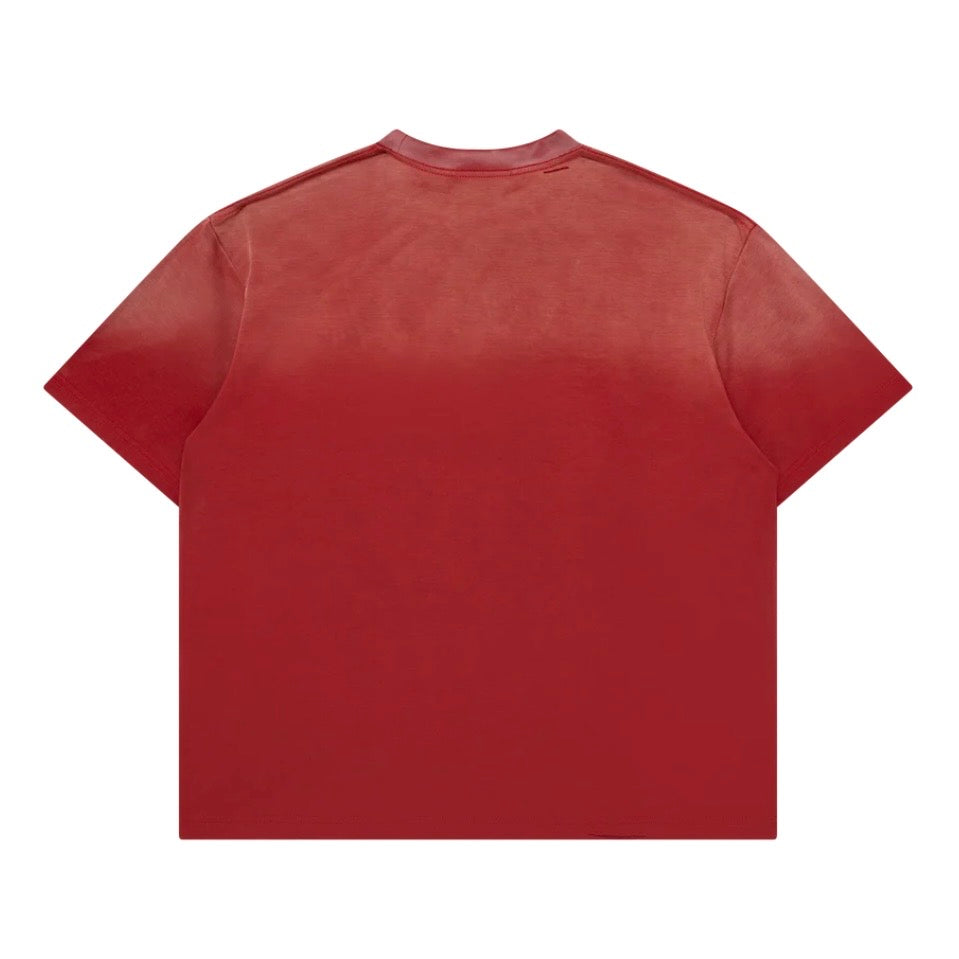
Nowhere else are these guiding principles more visible than in the hoodie range, which underpins the label’s garment range. The hoodie category is a testing ground for quality claims: cheap fabric develops pilling within weeks, flimsy cords unravel, and loose stitching around the hood area falls apart quickly. In contrast, a properly constructed hoodie retains its shape wash after wash. Buyers who have bought multiple pieces frequently mention in reviews that the texture and heft remain consistent across production runs, which reflects process consistency on the production side instead of a single fortunate batch.
Outside of hoodies, the broader righteous apparel range applies the consistent quality bar to shirts, outer layers, and accessories. All categories draw on one unified fabric philosophy — thicker cotton blends for body, pre-shrunk treatments to cut down on post-wash surprises, and dye methods chosen to stay fade-resistant. None of it is flashy, but it’s the kind of unglamorous detail that separates a brand meant to last from one designed to be replaced.
Sizing consistency also reflects the brand’s values in practice. Rather than shifting fits drastically between drops, which forces repeat customers to re-measure every time, the brand aims to keep its block consistent across collections. This makes it easier for someone who owns one righteous hoodie to order a new piece with confidence, without guessing whether this season’s cut runs differently from last year’s.
Righteous Clothing Brand Against Fast Fashion Competitors
To get a sense of where We Are Righteous sits in the market, it is useful to measure its method against the fast-fashion approach most shoppers know well. The table below highlights key differences based on general industry patterns and the brand’s stated practices.
| Consideration | We Are Righteous | Typical Fast Fashion Brand |
|---|---|---|
| Drop cadence | Scheduled, deliberate releases | Constant, ongoing new stock |
| Material focus | Sturdiness and heft | Lowest-cost sourcing |
| Fit stability | Stable across collections | Inconsistent from one launch to the next |
| Role of shopper input | Feeds straight into future product decisions | Little bearing on design choices |
| Planned longevity | Multiple years of wear | Single season, often less |
This comparison isn’t about shaming fast fashion outright — it serves a purpose for shoppers who want low prices and constant novelty. But it does explain why a righteous clothing brand built around slower cycles and heavier fabrics attracts a different kind of customer: one who prioritizes longevity and fit accuracy over having something new every week.
Customer Feedback in Reviews
A clearer picture than marketing copy surfaces once you read through customer feedback. Consistent points in a we are righteous review tend to center on three things: fabric weight coming across as substantial rather than flimsy, true-to-size fits lowering the need for exchanges, and print or embroidery details staying intact after repeated washing. Nothing here is a bold claim, but it’s precisely the kind of down-to-earth feedback that builds lasting confidence with a customer base.
A number of reviews also bring up shipping timelines and customer service responsiveness, both of which play a role in overall satisfaction even when they’re unrelated to the garment itself. A brand that answers sizing questions promptly before purchase tends to see fewer post-purchase complaints, simply because expectations are set correctly from the start. That kind of operational discipline is also part of the value system — it’s not just about the product, but about the treatment people receive throughout the buying process.
It’s also worth noting that no review process is universally positive. Certain shoppers have pointed out longer restock windows for popular sizes, a natural consequence of smaller, more deliberate production runs rather than mass manufacturing. That trade-off reflects the brand’s declared values: fewer units made with more care, rather than unlimited stock produced as cheaply and quickly as possible.
Sustainability and Manufacturing Choices
Sustainability doesn’t mean much as a buzzword, so it’s worth looking at what specific choices the brand has made. Manufacturing in limited quantities instead of churning out thousands of identical units reduces overproduction — among the fashion industry’s most persistent waste problems. Since there’s no pressure to clear massive unsold inventory through steep markdowns, a brand also avoids compromising on the original quality of its fabric to hit a price point later.
Another area of difference between smaller, principle-led labels and mass retailers is how packaging and shipping are handled, with the former opting for simpler packaging and reduced plastic use. While not every detail of a supply chain is visible to the end customer, the broader trajectory — smaller runs, steady quality standards, reduced overproduction waste — aligns with what the brand calls as its founding purpose.
Closing Thoughts on Where the Brand Is Headed
Brand values carry little weight unless they hold up, and We Are Righteous invites that scrutiny by making sizing information public, engaging with customer feedback, and staying consistent across its righteous hoodie and broader apparel lines. Rather than chasing trends, the brand presents itself as a lasting wardrobe staple provider. For 2026, that approach stands out precisely because so much of the market still runs on speed and disposability rather than durability and trust.
Across whichever righteous review someone reads, the same pattern surfaces: honest, dependable sizing — these are the constants. It isn’t a splashy sales line, yet it holds together — and that kind of consistency is frequently what distinguishes a label with genuine principles from one that just treats the word as a catchphrase.